

“Someone needs to hold them accountable.” “They aren’t doing the work because nobody is holding them accountable.” “They just need to do it…or else.”
When I hear statements like these, accountability often sounds a lot like punishment. It sounds like catching people when they fail, passing out consequences, and it reeks of compliance.
I’ve heard these statements countless times, and if I’m being honest, I’m sure I’ve said them myself. But late-Lee, I’ve been wondering whether we’ve confused accountability with something it was never meant to be.
Back in March, my daughters and I decided to start a workout program together. Since then, we’ve been texting daily updates, sweaty selfies, little victories, frustrations, and plenty of encouragement to keep each other going. We selected a program, committed to following it, and encouraged one another along the way. We tracked more than just the number on the scale. We paid attention to how we felt, what was working, where we were struggling, and what needed to change.
In other words, we created our own little accountability group. Now, this wasn’t a group meant for scolding or pointing fingers, and it certainly wasn’t about catching someone slipping up. Quite the opposite. This was a group built on encouragement, honest conversations, questions, coaching, and celebrating progress along the way.
The interesting part is that we don’t all live under the same roof. So how did we know if everyone was actually following the plan?
We used systems to see what was happening. The workout app tracked our progress. We shared pictures. exchanged updates, and talked honestly about what was working and what wasn’t. The workouts completed, the habits we were building, and the results we were seeing provided evidence that the plan was either being implemented or it wasn’t.
None of us had to stand over the other’s shoulder. None of us had to wonder whether the work was happening. The systems and routines we utilized gave us visibility into our progress and created opportunities for coaching, encouragement, problem-solving, and celebration along the way.
When we finished one program, we didn’t just pat ourselves on the back and call it a day. We took a good, honest look at where we were, considered where we wanted to go next, and selected another program to help us continue moving forward. Sustaining our progress wasn’t enough. We wanted to keep improving.
As I sit here reflecting on our little accountability group, I can’t help but think about schools and districts this time of year. Improvement plans are being written. Goals are being established. Strategies are being selected. What strikes me is that our workout group wasn’t all that different from a strong improvement process. We identified a goal, selected a strategy, and established routines for checking progress. We used evidence to determine whether the plan was being implemented. We reflected on our results and adjusted when needed. Most importantly, we didn’t need to live under the same roof to know what was happening. We used systems and routines to see it.
The strongest school and district improvement plans work the same way. They recognize that if student outcomes are going to improve, building the capacity of the adults working with students must be included in the plan. That’s why the best plans don’t stop at identifying what needs to happen. They build in opportunities to monitor implementation, check impact, reflect on evidence, and adjust course when needed. They include coaching conversations, opportunities for ownership, and routines that help leaders know whether the work described in the plan is actually coming to life in classrooms. In other words, they don’t wait until the end of the year to talk about accountability. They weave accountability throughout the process. Not because someone is waiting to hand out consequences when things fall short, but because someone cares enough about the goal to ask, “How’s it going?”
It’s because someone is willing to look at the evidence, coach instead of criticize, and because someone is committed to helping the work come alive beyond the pages of a plan.
So maybe accountability isn’t about holding people’s feet to the fire after all. Maybe it’s about creating the conditions that help people succeed, utilizing systems that make progress visible, and walking alongside one another, using evidence and reflection to move forward together.
The more I think about it, the more I realize that the best accountability I’ve ever experienced wasn’t something done to me.
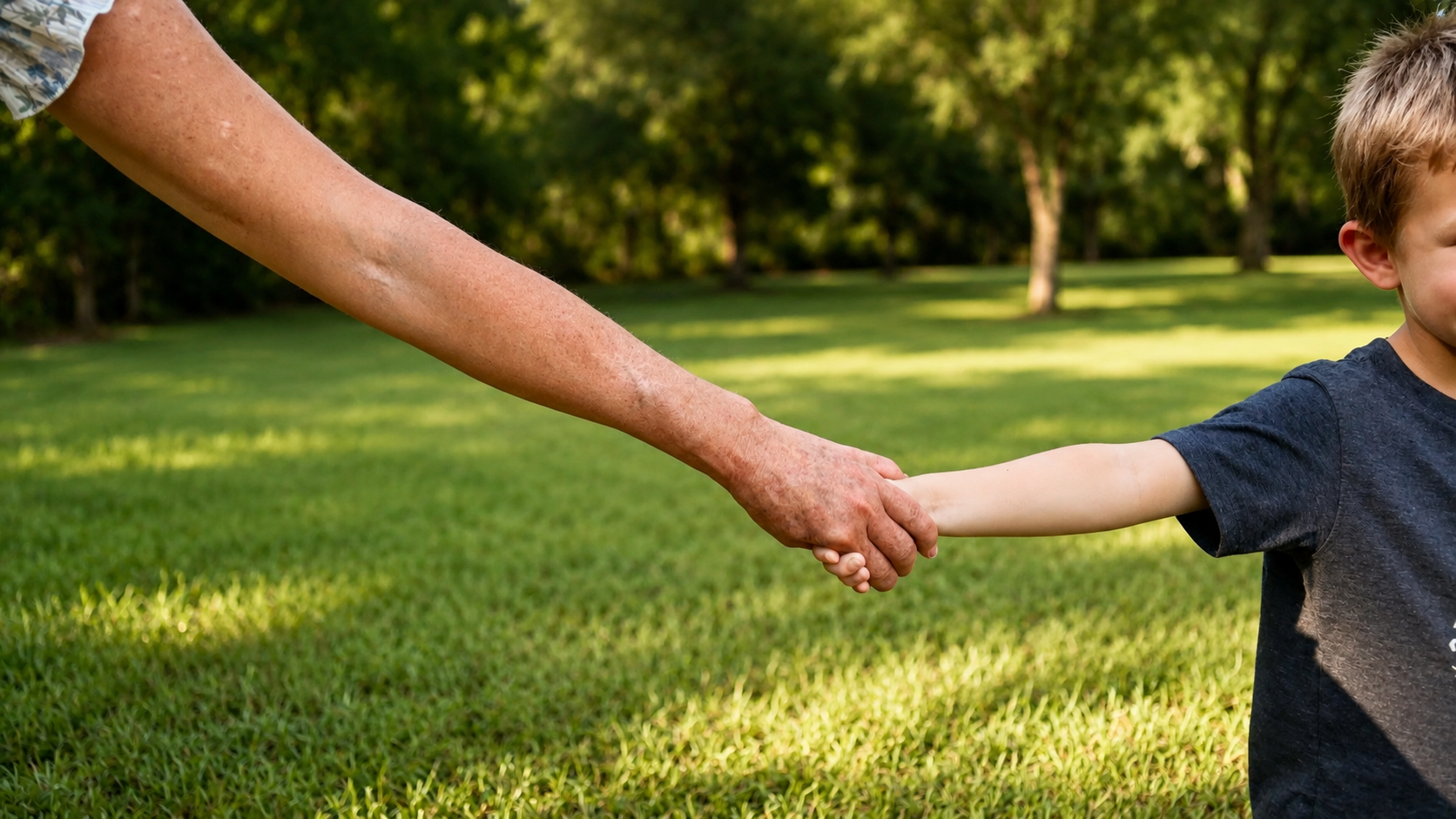
It was something done with me. All of this has me thinking, late-Lee, perhaps accountability isn’t about someone watching. Maybe it’s the confidence that someone cares enough to walk alongside us as we do the work.


Leave a Reply