Take the Field at Halftime

Halftime may end when the whistle blows, but the work of halftime doesn’t. It ends when coaches/leaders decide how they’ll step back onto the field.

There’s a familiar feeling as January approaches, and it really does feel like a fresh start. We plan the staff breakfast for the return from the break, tidy up the building, and try to welcome everyone back with something warm and familiar. Calendars begin to fill again, routines settle back in, and expectations rise with a quiet optimism. In those moments, it feels good to believe we’re starting over. And that matters. But halftime was never meant to be a pause we pass through. It was meant to shape how we return.

What I wish leaders would stop doing at halftime is staying the same, not out of indifference, but out of fear. Fear of losing teachers. Fear of rocking the boat. Fear of uncovering something they don’t yet have the capacity to fix. So instead, the manager takes over answering the emails, adjusting the schedules, and working out coverage when and where it’s needed. Leaders hop on the endless wheel of keeping things moving. And the right work quietly waits its turn.

Too often, we move forward without really seeing or knowing what’s happening. Not because leaders don’t care, but because they’re overwhelmed, stretched thin, or unsure where even to begin. When everything feels important, it becomes hard to name what’s actually working and what isn’t. Without that clarity, reflection never goes very deep.

So January arrives, the staff returns, and despite our best intentions, it’s easy to slip back into patterns we never meant to repeat.

Late-Lee, I’ve been thinking about how often I’ve stood in that exact place. Sitting in my car before walking into the school, coffee gone cold, telling myself that this semester would be different. Reminding myself to slow down long enough to really see what was happening instead of rushing to manage it all. And then the day would start. A fire had to be extinguished. I’d have a meeting to attend. Someone would need something right in that moment. By lunchtime, the pause I promised myself was already gone.

Over time, I’ve come to believe this: halftime isn’t about shame or celebration. It’s about clarity.

Taking the field after halftime takes more than good intentions. We need to be aware and notice what’s happening beneath the surface. It’s easy to pay attention to what feels loud or feels urgent, but that’s not the only thing we should see. We should be searching for what’s actually shaping outcomes for students and teachers. 

Halftime leadership isn’t about doing more. It’s about noticing more and about creating space to reflect before reacting. Because the second half doesn’t change just because the calendar turns, it changes when leaders choose to return differently than when they left.

Before we make adjustments, call new plays, or introduce new initiatives, there’s a question worth sitting with:

What do you need to see more clearly before you decide what needs to change?

That question is where real halftime work begins.
Between the Halves – A Letter of Reflection

Dear Leader,

As I sit here in the quiet of the morning, surrounded by the soft sparkle of Christmas lights (probably for the last time this season), I’ve been reflecting on the first half of this school year. With the New Year fast approaching, I find myself doing what I tend to do best—reflecting and turning things over and over in my mind letting my thoughts wander a little longer than planned.

I’m an overthinker. It will come as no surprise to those who know me well and are reading this. If you are too, you know exactly what I mean. Your mind tries to shield and protect your heart by staying alert. You notice patterns. You read body language. You replay words spoken in agreement and yes, even in disagreement. You file things away, just in case they may matter later. Sometimes it feels like being a hamster on a wheel, moving constantly, but not always to new places. Just spinning.

If you’ve felt like that too, you’re not alone. Like me, you may have settled into a pattern of survival. Not because you wanted to, but because it felt necessary for a season. At some point during the first half of the school year, simply getting through the days may have become your goal.

Late-Lee, I’ve been thinking about decisions I have made. I think about the people I’ve met this year and how each person added something to my life. I’m grateful to the people I love and walk alongside each day in this thing we call life whether it’s in person, via messages, or calls. I’ve been thinking about moments that felt heavy and moments that seemed to come out of nowhere, surprising me with their goodness.

As we step toward 2026 and into the second half of this school year, I wonder if this is our moment to loosen that grip. Maybe it’s time to pivot how we go about our work, but not be in a rush. We need to do so with the intention of moving towards something steadier, perhaps with more purpose. We may need to move towards a thriving environment that leaves room for rest, makes room for clear decisions in the best interest of students, and supports our teams as they live out the vision of educating those in our care.

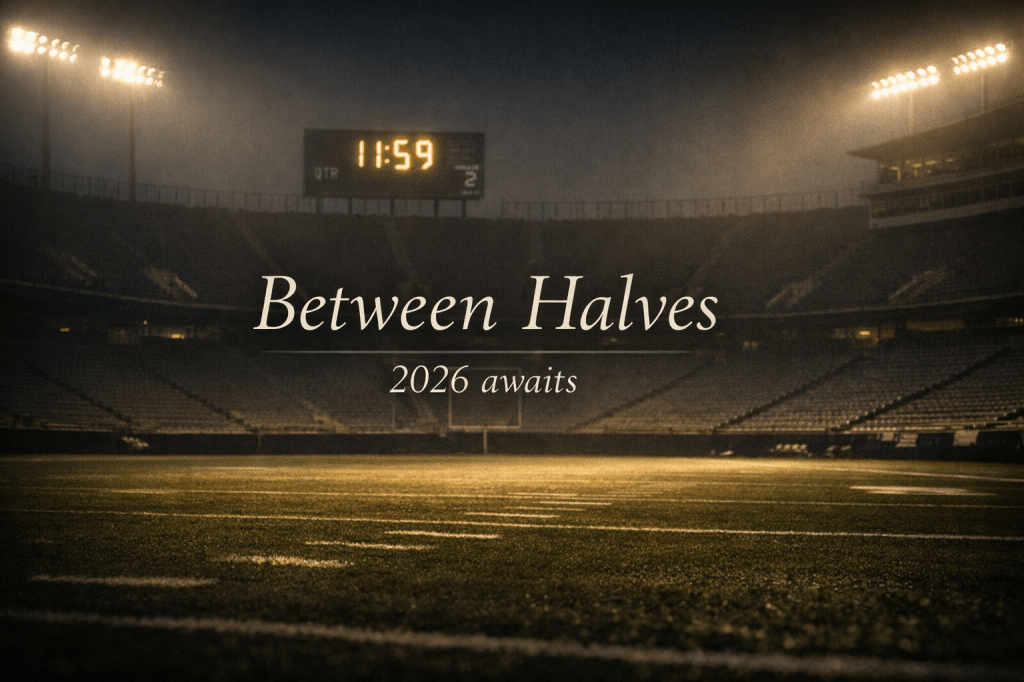
There’s a moment in every game when the whistle blows, and everyone steps off the field. Not because the work is finished, but because it’s time to regroup. That’s where we are right now. The first half of this school year (and 2025) is behind us. The second half is quickly coming, but it hasn’t started yet. This space between the two halves shouldn’t be wasted time. If you take the time to pause and reflect, it’s where clarity forms, where small, but meaningful adjustments begin, and where leaders decide how they want to show up when the second half begins. Leaders decide how they want to welcome their teams back!

While the ball will drop at midnight on New Year’s, we must remember clarity doesn’t always arrive with that same sense of speed or glamour. Sometimes it comes quietly, after we’ve stepped off the field and allowed ourselves to see things as they are and acknowledging the reality of it all. The second half will come soon enough. For now, let this pause do its work. January will soon ask a lot of us. But not today.

Warmly,

Rhonda

The Gift of Renewal: Choosing a New Way Forward

Gifts of Leadership Series, Final Reflection

If you missed the other three posts in this series, please visit: http://www.rhondalatelee.com

As I bring this December series to a close, I keep coming back to a small line tucked quietly into the story of the wise men. After offering their gifts to Jesus, Scripture tells us they returned home by another route. They didn’t retrace their steps. They didn’t go back the way they came. Something about that encounter changed the direction they were willing or planning to travel.

That feels like the right place to land this season of reflection and to look ahead to what comes next.

Over the past few weeks, I’ve written about the gifts the Magi carried and the leadership lessons they stirred in me. Gold reminded me that when we focus on the right work, even when it’s hard, we find significant results. Frankincense reminded me that presence can steady a place long before progress ever shows up on paper. And myrrh asked me to tell the truth about leadership’s cost and the quiet toll it can take if we never stop to tend our own hearts.

But the wise men didn’t stop at giving their gifts. They chose a different way home.

There came a season in my leadership journey when I realized I had carried the work as far as I could. Not because I didn’t love the school, but because I loved it deeply. I loved the team. I loved the students. I loved the life happening inside those walls enough to recognize that what lay ahead needed a leader with fresh eyes and renewed strength.

Down here in the south, we understand that there are moments when you hand over the keys to a truck you’ve driven for a long time. Not because the road wasn’t worth it or because you didn’t know every bend and bump by heart. You do it because you know someone with a new grip on the wheel and a full tank of gas might travel the next stretch of road with a clearer vision. 

Stepping aside wasn’t a weakness. It was stewardship. It was trusting that the foundation we had built together was strong enough to hold. My season hadn’t failed. It had simply run its course, like a field that’s given all it has and needs time to rest before the next planting.

As we move toward a new year, I hope you’ll pause long enough to consider your own “other route.” Where might it be time to loosen your grip? What might need to be released so something new can grow? Are you feeling a nudge toward rest or a new direction?

Leaders are good at carrying weight. We’re not always as good at laying it down. But the story of the Magi reminds us that encountering truth should change us, and sometimes that change shows up in the direction we choose next.

Leader Reflection

What do I need to leave so that I can step into the next season with renewed strength?

Leader Move

Choose one intentional shift as you enter the new year: a different rhythm, a healthier boundary, a more accurate alignment. Let this be your other way home.

Like the Wise Men, I won’t retrace my steps and go back the way I came. I do, however, look forward to the opportunities that may arise in 2026!!!

The Gift of Myrrh: Honoring the Cost of Leadership

Gifts of Leadership Series, Post Three

This month, I’ve been learning from the wise men. Their journey, posture, and gifts have nudged me to reflect on the gifts leaders bring to our schools. Gold taught me about outcomes. Frankincense reminded me of presence. And now I’m sitting with the most complex gift of all: myrrh.

Connecting to the First Two Gifts

If you’ve missed reading the first two of my December series, I began with the wise men’s gift of gold, reflecting on how integrity produces the outcomes we call “gold” in leadership.

You can read it here:

The Gift of Gold: Leading with Integrity and Honor

Last week, I wrote about frankincense and the power of presence. When we step out of our offices and choose to be among our people, we change the atmosphere of a school.

You can read that post here:

The Gift of Frankincense: Presence that Changes the Atmosphere

Today, I’m reflecting on the third gift the wise men carried, Myrrh. The gift that acknowledges the weight, the humanity, and the cost of the calling.

Myrrh was used for anointing, healing, and burial. It symbolized sacrifice and the weight of purpose. The wise men offered it to Jesus at the very beginning of His life, signaling that calling always carries a cost. It wasn’t a gift for the moment. It was a gift for the journey.

Leadership has its own myrrh.

There came a season in my life when the work was heavier than my spirit. Not because I lacked strength, but because I had been strong for too long without rest. I poured everything I had into the school, the staff, and the students. I showed up early, stayed late, and carried the unseen parts of the job inside my heart and mind. I made room for the tears. I dealt with the frustrations and the hard conversations. I worked to meet the expectations and the weight of doing what was right, even when it wasn’t easy. And slowly, almost quietly, I realized the cost was catching up to me. I was evaporating. 

There’s a moment every leader faces when the calling feels familiar, but the capacity to lead feels thinner than it used to. There is still a deep love for the work, but your soul is asking for room to breathe. The weight you’ve carried begins to change the way you carry yourself.

For me, letting go wasn’t easy. I had put my time in and now I could retire. I was choosing to be whole again. Although (admittedly) at the time, I felt like a quitter. Now I can see it was a courageous decision to acknowledge and honor my limits. I had served as an educator in various capacities in my community for 31 years. I could now say goodbye. Leadership had asked a lot of me, and for a long time, I said yes without thinking twice. But myrrh reminds us that sacrifice without renewal is not holy. It is harmful.

I know now that stepping away from that season didn’t make me less of a leader. It made me a wiser one. It allowed me to return to the work of educating young people with clarity, purpose, and a heart that could pour into others again. I turned that goodbye into a hello and began serving schools across the state in a different capacity. That pause in my career taught me one of the most critical leadership truths I’ve ever learned: Honoring your humanity is part of honoring your calling.

Late-Lee, I’m thinking myrrh is the reminder that leadership costs something. It asks us to give, care, carry, and sometimes to release what is no longer ours to hold so someone with a new vision could step in and lead. It is the gift that says, “You cannot pour into others if you never pour back into yourself.”

Leader Reflection

What part of my leadership is asking for renewal, rest, or release?

Leader Move

Identify one weight you’ve been carrying alone.

Name it.

Could you share it?

Release a small piece of it this week.

Sometimes the most faithful leadership move is to let go.

The Gift of Frankincense: Presence that Changes the Atmosphere

Gifts of Leadership Series, Post Two

This month, I’ve been paying closer attention to the wise men again. Their long journey, the way they approached the holy moment, and the gifts they carried have prompted me to reflect on the gifts leaders bring to their schools. Last week, I wrote about gold and how staying focused on the right work shapes the outcomes we want for kids. Today, I’ve been sitting with frankincense and what it teaches us about presence.

If you missed the first post in this series, you can catch it here:

The Gift of Gold: Leading with Integrity and Honor

Frankincense was burned in worship long before anyone spoke. The scent filled the room, shifting the atmosphere. When the wise men offered it to Jesus, they weren’t just giving a gift. They were honoring who He was and the sacredness of that moment.

Leadership has its own version of that gift. Whether we notice it or not, our presence fills the spaces we walk into. The way we show up can steady a building, calm a team, or give people just enough breath to get through a hard day. Presence isn’t another item on a to-do list. It’s how you carry yourself at work.

I think back on moments in my own leadership when presence did more than any memo, meeting, or mandate ever could. Sometimes I was intentional. Other times, the building made it clear it needed me to step into the space. Every one of those moments taught me the same lesson: leaders change the culture when they choose to be among their people.

My assistant principal and I used to grab our laptops and move our “office” to the cafeteria from time to time. Kids buzzing around, teachers stopping in, lunch trays clattering. We weren’t there because we needed a new workspace. We were there because the building required us to feel close. Teachers got quick answers, parents saw us actively engaged, and students lit up when they realized we knew their names. The whole place felt different when leadership wasn’t tucked away behind a door.

In the mornings, we often stood in the hallway before the bell. Not to police anything. We wanted to greet kids and staff, catch small things before they snowballed, and to be a steady face for students who were carrying far more than a backpack. That visibility changed the tone of the day for everyone, including us.

During state testing, we didn’t hide in the office refreshing our email. We set up right in the middle of the testing wing. Walking the hallways, whispering encouragement, helping teachers breathe, and being close enough for students to feel supported without saying a word. Our presence in those tense moments said more than any checklist ever could.

And then there were the hours spent sitting in collaborative planning. Not to run the show. Not to correct. To listen, understand, and learn with teachers. Sitting beside them instead of across from them reshaped our relationships. Trust grew in ways it never would have inside a conference room with an agenda taped to the wall. I’m still amazed at leaders who choose not to be in collaborative planning. It sends a message that instruction isn’t that important when you don’t attend.

Every one of those moments was a kind of frankincense. Quiet. Steady. Culture-shifting. The staff didn’t require polished speeches or perfect leadership. They needed us to show up.

Late-Lee, frankincense reminds me that leadership isn’t always about big moments or big moves. Sometimes the most meaningful thing we can offer is our presence. Step out of the office. Pull up a chair. Be among your people. Your presence becomes the offering.

Leader Reflection

Where does my school need my presence more than my paperwork?

Leader Move

Pick one way to relocate your leadership this week.

Sit in collaborative planning. Greet students at the front door. Work in a busy hallway. Be visible. Be steady. Let your presence shift the atmosphere.

The Gift of Gold: Leading with Integrity and Honor

Gifts of Leadership Series, Post One

December always pulls me into a different kind of reflection. Maybe it’s the quiet of early mornings sitting enjoying the twinkle of my Christmas tree lights, or the way the Christmas story settles into my thoughts at this time of year. I keep circling back to the three gifts the wise men brought to Jesus. Each one carried a purpose. Each one revealed something about who He was. As I’ve been thinking about leadership, I realized those gifts offer lessons for us, too. This month, I’m sharing a series of reflections that connect the gifts of the Magi to the gifts leaders bring into the spaces they serve. 

When the wise men reached Jesus, they laid the first gift before Him: gold. It was a gift that signaled worth and honor. Gold has always carried a sense of purity and strength, but it also holds something deeper. It reflects value. The wise men weren’t simply giving treasure; they were recognizing who was before them.

In leadership, we don’t gift gold in a box. Gold shows up in the outcomes that emerge when we do what is right instead of what is easy. The results reveal choices made with purpose.

I remember one summer sitting around a table with my assistant principal and a group of teacher leaders. We held this little data retreat in a relaxed pool setting. Our accountability data had arrived, and it was clear that if we wanted different results, we couldn’t keep doing business as usual. We presented a plan to change the master schedule, giving students a double dose of reading and math. The tradeoff was losing some core time in other areas, but we would gain consistent intervention and enrichment for every student. It wasn’t a decision we could make quietly. It meant every teacher would be affected.

Some nodded with confidence, while others sat back weighing the impact of implementing this revised schedule on themselves. Changing a schedule sounds simple enough until you start shifting minutes, reassigning coverage, adjusting routines, and creating expectations that people are comfortable with. But we moved forward together. We stayed at the table, listened, adjusted, and committed to a plan that honored what students needed more than what adults preferred. This group of teachers later led the discussion with the rest of the faculty during our pre-planning meeting. 

It took more time, more flexibility, and strategic problem-solving than I expected. Yet when the end-of-year accountability outcomes came in, the results were undeniable. When intervention became consistent and instruction became targeted, our student growth took off. State data revealed 100+ points earned in ELA and 95 points in mathematics. Achievement strengthened because we anchored ourselves in doing what was best for the students. That year, the data became our gold.

Late-Lee, the gift of gold reminds me that the shine is never in the decision itself. It is in the outcomes that follow when a team chooses to do the right work. The wise men offered gold to the King. Leaders uncover gold when they decide what actions benefit students most.

Leader Reflection

In what area does my data indicate I need to choose what is right over what is comfortable to meet student needs?

Leader Move

Identify an action that could produce long-term gold (positively impacting data) even if the cost of implementing the action seems too high right now. Bring your team to the table, show each person the why, and commit to leading through the discomfort because I promise you, when shifting adult behaviors, you will encounter discomfort. Effective leaders don’t say this is the plan and move through it without deviating. They use data to measure the quality of the implementation and pivot when necessary.

The Bed is Always Made

(Part 4 of 4: A Late-Lee Reflection on Leadership and Thankfulness)

I struggle with anxiety. When life starts spinning like a tornado, I’ve learned to bring order to what I can control. I’ve listened to Admiral McRaven’s speech more times than I can count. His advice to “make your bed every morning” has stuck with me all these years. It’s small, but it starts my day with something I can complete. It’s the one thing I can manage when the rest of the world feels unpredictable. Late-Lee, each time I straighten the comforter, layer the blankets, and fluff up the pillows, I give thanks for completing that task. It’s the only one I’m guaranteed to accomplish that day. And, being the list maker that I am, being able to check it off as done gives me a small sense of satisfaction.

After that, I calendarize my work: meetings, school visits, calls to return, and the tasks that can’t be ignored. I spend a few quiet minutes envisioning my day, thinking through what needs my attention and who might need a visit or a call. I set alarms on my phone so I’m sure to be on time for meetings I need to attend. It’s my way of creating calm before the wind picks up.

There were days, however, while I was a principal, when even my best intentions and careful plans were stolen away by things beyond my control. An angry parent shows up. A discipline issue that couldn’t wait. A teacher who needed a listening ear. Those moments taught me something important. Control is not the same as calm.

True calm often comes from the people who bring steadiness when everything else starts to swirl. The ones who show up, follow through, and create order in the middle of everyone else’s storm. They take attendance on time. They handle duties. They meet deadlines. They keep things moving forward when the unexpected threatens to pull it all apart.

They are the calm in the chaos.

The ones who make the bed.

Leader Moves

As leaders, we have to notice them. It is easy to give our energy to the loud moments, the conflicts, the crises, the things demanding our time. But the quiet consistency around us deserves just as much attention. The people who keep order are often the ones who keep the rest of us standing.

Take time to name them.

Thank them.

Remind them that their steadiness matters.

So in an exercise of gratitude, let’s notice them; the calm keepers, the order makers. The ones who steady the storm so others can stand.

Leadership is not just about fixing what is broken. It is also about recognizing the people who keep things from breaking in the first place.

Gratitude for the Prickly Ones

(Part 3 of 4: A Late-Lee Reflection on Leadership and Thankfulness)

I have a fascination with porcupines. I’ve never seen one in the wild, but I’ve lingered a little longer than I should watching them at the zoo. I love their prickly quills! It makes them seem harsh, but in my research, I’ve learned they don’t use them to harm others. They’re only used for protection.

So late-Lee, I’ve been thinking about those little fellas. They remind me of some folks I’ve met along my path in education. Truth be told, they also remind me of myself. Just like most people, porcupines aren’t looking for conflict. They react when they feel unsafe. Gratitude becomes the bridge that helps us approach others gently, seeing their defenses as protection rather than rejection. Some people proudly carry their quills. They’re cautious with their words and careful with their hearts. Sometimes they seem distant, even difficult to approach. But much like the porcupine, their sharp edges aren’t about aggression; they’re about self-preservation. They’ve learned through experience that it’s safer to stay guarded than to risk being hurt.

And yet, porcupines still find ways to connect. They share dens in the cold and settle close enough to feel warmth without piercing one another. There’s something beautiful about that balance of holding onto your protection while still choosing proximity.

In leadership, we cross paths with plenty of porcupines. A teacher who resists feedback. A colleague who’s slow to trust. A parent who comes in ready for a fight. Gratitude should help us pause long enough to see what’s beneath the quills. It reminds us that there’s almost always softness underneath, and a story behind the spikes.

Leader Moves

  • Approach the “prickly” moments with curiosity, not judgment.
  • Notice when you’re showing your own quills and ask what’s driving that reaction.
  • Be grateful for the chance to connect, even if it takes patience and care.

Gratitude doesn’t take away the quills, but it helps us handle them with gentleness. When we choose to look beyond the sharp, we are less likely to see resistance as defiance. When we decide to stay thankful for the connection, we see warmth. When we lead with gratitude, we start to see it as someone’s way of staying safe until trust is earned.

Late-Lee, I’ve learned that even the prickly ones (especially the prickly ones) can teach us about grace. I’m grateful for them, because they remind me that I’m still learning how to keep my own quills down.

Gratitude for Growth

(Part 2 of 4: A Late-Lee Reflection on Leadership and Thankfulness)

So, I was walking by my Jasmine plant the other day, just checking to see how much weeding I’d have to do. It’s way too much, if I’m being totally honest and possibly lazy. So, I strongly considered to keep moving on, but what caught my attention wasn’t the weeds; it was the Jasmine. So, I decided to pause a little longer.

When I planted it, I just needed something to fill a space. I used to carefully weave the vines through a little trellis, hoping it would grow in the direction I intended. I always love the sight and smell of that hardy plant when it’s blooming. It has survived our crazy southern weather. It thrives despite my lack of attention. It’s a good plant for me. I can keep it alive. Late -Lee, I’ve been noticing a few vines have crept away from the rest. They’ve slipped out of the trellis and stretched out toward the sun on their own.

At first, I thought about tucking them back in, making everything look neat again. Then I stopped. Maybe those stray vines weren’t being rebellious. Maybe they were finding their own way to the light.

That moment made me pause. In leadership, it’s easy to want everyone growing and moving in the same direction, staying neatly inside the boundaries we’ve established. But gratitude reminds us to notice growth, even when it doesn’t look how we expected. It reminds us that sometimes the best thing we can do as leaders is step back, appreciate the stretch, and make room for it.

Gratitude doesn’t have to be grand. In schools, it can sound like, “I saw the way you handled that student today. I appreciate your patience.” Or, “I noticed how your grade-level team is trying a new strategy. That’s brave and smart.” Those quiet acknowledgments let them know they are visible. You see them! 

We can’t always solve every challenge our teachers face, but we can acknowledge their growth, effort, and dedication. And that recognition, spoken sincerely, feeds morale in ways donuts never will.

Leadership in Action:

This week, look for the stretchers on your team. Look for the ones who are experimenting, asking questions, or doing things a little differently. Instead of correcting the direction, celebrate the courage it takes to grow toward the light. Send a note, speak it out loud, or simply say, “I see you growing, and I’m thankful for it.”

Because we need to remember gratitude isn’t just about what’s blooming neatly in the trellis, it’s about recognizing the strength in the vines reaching beyond it.

Gratitude for Steady Strength

(Part 1 of 4: A Late-Lee Reflection on Leadership and Thankfulness)

There’s a stillness that comes with early morning woods. Long before sunrise, when the world is gray and quiet, the hunter settles in—steady, alert, and patient. The cold air stings a little, and the only sound is the steady rhythm of their breathing. Every movement feels louder than it should. It’s easy to hear each heartbeat. Great hunters learn quickly that success in the hunt isn’t found in the noise; it’s found in the waiting.

When I was little, I’d sometimes go hunting with my dad. We’d sit on an old fallen tree, the kind covered in moss and memories. I tried so hard to stay still, but I’ve never been known for my silence. I like to talk too much and I can’t sit for very long. One look from him was enough to remind me to settle in and just be. At first, the quiet felt uncomfortable. I am a worrier. So, the loudness of the quiet would make me shudder as I filled my mind with all of the scary things that could be lurking…watching and waiting to grab me! He would often call me a worrywart. He wasn’t wrong. But as I learned to pause and appreciate all that was around me, I felt something shift. I started noticing things such as the way light cut through the trees, the sounds layered on top of each other, the way my dad’s eyes moved slowly across the woods, alert to everything and hurried by nothing. My mind began to calm.

He may have been hunting, but I was learning.

Learning patience.

Learning awareness.

Learning the beauty in stillness.

And I didn’t realize it at the time, but that kind of learning would matter later, especially as I began my own leadership journey. And per usual, late-Lee I’ve been thinking about the similarities between great hunters and leaders.

Leadership has its own kind of woods. There’s movement all around, and it’s tempting to fill the silence with our own noise. Sometimes we try to talk, to fix, to act, anything to avoid the quiet. But growth, like hunting, often requires stillness. The best leaders aren’t always the loudest in the room. They’re the ones who steady the moment, listen before speaking, and notice what others overlook. Those are the quiet ones. The steady hearts who keep showing up, not for attention or applause, but because they believe the work is worth it. They carry calm when others carry chaos. They lead, teach, and serve from a place of quiet courage.

Teachers see this same truth in their classrooms. Some students make their presence known from the moment they walk in. Others move softly through the day. They are dependable, kind, and quiet. If we aren’t careful, they can pass through our lessons without our words ever reaching them. Their silence doesn’t mean they don’t need to be seen; it just means we have to look a little closer. Like the hunter, we have to keep scanning for signs.

Gratitude helps us do that. It slows us down long enough to notice the ones who keep us grounded—the quiet colleagues, the steady teachers, the students who show up each day and try again tomorrow.

Sometimes leadership and teaching isn’t about making more noise. It’s about honoring the stillness that keeps everything steady.

Leadership in Action

This week, take time to thank the steady ones:

  • The colleague who quietly keeps things running when no one’s looking.
  • The teacher who models calm consistency.
  • The student who doesn’t ask for attention but deserves it.

Offer a word, a note, or a moment of acknowledgment. Because like one of my favorite quotes (Mary Ann Radmacher) reminds us “Courage doesn’t always roar. Sometimes it’s the quiet voice at the end of the day saying, I’ll try again tomorrow.” Be sure to thank them for showing up and giving it their all!

I want to thank you for stepping into this leadership role. It’s not easy, but here you are…like the great hunter settling in, with the promise of a sunrise that will illuminate all we should be grateful for just because we have decided to show up and try again.

Reaching the Destination: Using Student Work to Guide the Journey

(Part 3 of the “Recalculating” Series)

Haven’t read Part 1 or Part 2, be sure to check those out first.

Speaking as someone who is directionally challenged, and as I’ve shared before, I can get lost in a parking lot. I feel a genuine sense of accomplishment when I actually end up where I intended to go. That doesn’t happen by chance. It’s because I use my GPS to guide me. I’m certain, with its help, I could find my way to New York. In much the same way, when we use our standards to chart the course for learning and check in along the way, we give ourselves the chance to either recalculate or celebrate.

But just setting a destination isn’t enough. Along the way, I have to glance at the map, listen for turns, and sometimes reroute when I miss one. Teaching works the same way. Standards help us know where we’re headed, but it’s the lesson check-ins such as the effective questions, the short formative assessments, and the student work in front of us that tell us if learning is actually happening. When we take the time to look closely at that evidence, we can make decisions that keep students on the path toward mastery, rather than assuming they’ll find their own way there.

I’ve learned that if I don’t stop and check my direction, I’ll keep driving in the wrong direction with complete confidence. The same thing happens in classrooms. Teachers can teach their hearts out and still not be certain if the lesson was aligned to the rigor of the standard or if students are actually learning it. When you ask one or two students who know the answer, that is not confirmation they all know. That’s where formative checks for understanding come in. They’re like little landmarks along the way that help us see if students are actually getting there. It doesn’t take fancy tools or long tests. It simply requires a clear look at the work before us and an honest conversation about what it reveals. It’s important to also acknowledge those outcomes reflect our instruction. That’s the kind of intentional pause that helps teachers recalculate when needed and celebrate when learning sticks. That’s the kind of teaching that is steady, purposeful, and always headed in the right direction.

So, late-Lee, I’ve been thinking about this whole process. I struggle to understand where the disconnect is and why this seems to be such a challenge for some. We plan to teach the standards at the prescribed level, determine what success looks like, and design formative assessments that we can use to see if students are mastering the learning or identify where the gaps are that we need to address during and after we’ve delivered the planned lesson. Seems clear enough. Let’s now talk about reviewing the evidence. 

A Simple Way to Look at Student Work

Now, before anybody starts thinking this is one more thing to add to an already full plate ( I hear that often too.). Let me be clear: Looking at student work doesn’t have to be complicated. It just needs to be consistent. When we take a few minutes to pause and study what our students produced that day, we gather the kind of information that helps us teach smarter tomorrow.

I like to think of it as pulling over for a quick check instead of waiting until the end of the trip to find out we missed the turn miles back. The best teachers I know employ a simple routine that enables them to identify patterns in learning and make informed decisions about what comes next. Here’s a straightforward way to do that.

The Journey Through Learning Protocol

Step 1: Start with clarity

Review the learning target and success criteria. What did you expect students to know and show by the end of the lesson?

Step 2: Gather the evidence

Pull a small sample of student work from that day. It could be an exit ticket, a sticky note response, or even a quick reflection you captured in conversation.

Step 3: Sort and see

Lay out the work and look for patterns. Who clearly met the target? Who’s close? Who’s still off course? You don’t need a specific number or grade; you need a sense of where your class stands.

Step 4: Study a few samples

Choose one or two examples from each group and look a little closer. What do these pieces tell you about how students are thinking? What misunderstandings might be hiding in their responses?

Step 5: Plan the next move

Use what you found to decide what tomorrow needs. Perhaps some students are ready for the next challenge, while others require another approach. Either way, the goal is movement.

Step 6: Talk about it

Share what you learned with students. Let them see how their work guides your teaching. Ask them to reflect on what they can do next. Learning is more powerful when everyone knows the destination and how close they are to reaching it.

This protocol was adapted from the “Student Work Analysis Protocol” by the Rhode Island Department of Education and the National Center for the Improvement of Educational Assessment.

Reaching the Destination

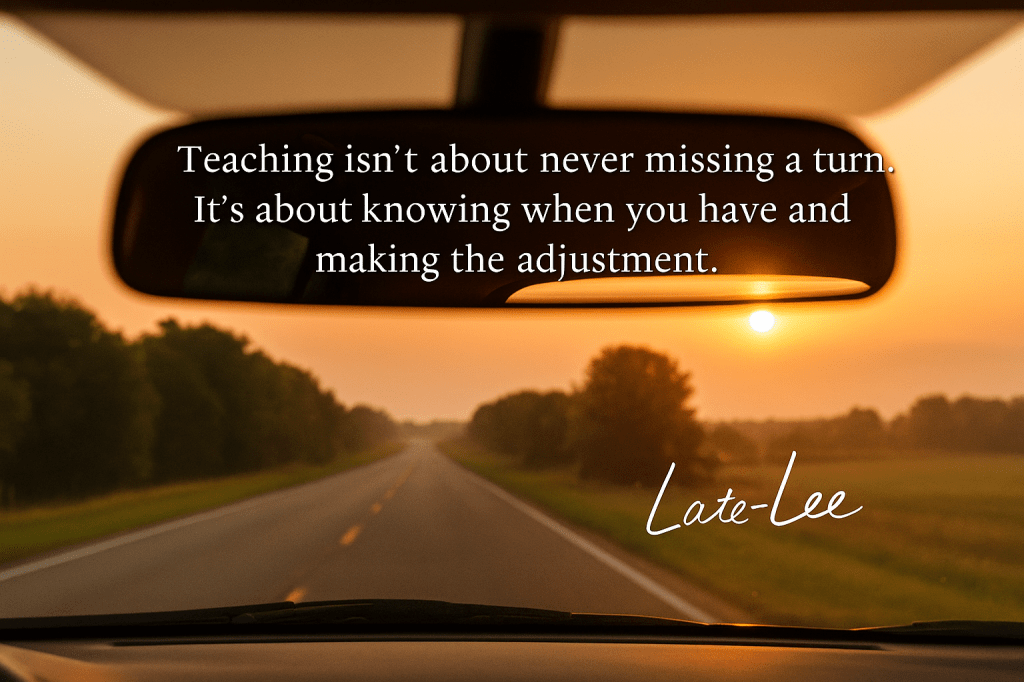
When I finally pull into the location after a long ride, there’s a quiet satisfaction in knowing I made it. I might’ve had to circle the block once or twice, but I got there. Teaching is no different. The road to learning is rarely straight, and the best teachers aren’t the ones who never miss a turn. They’re the ones who notice when they have and make the adjustment.

Formative assessments are what help us do that. They let us see if students truly arrived where the lesson was meant to take them. When we slow down long enough to look at their work, we’re not just checking for completion. We’re checking for understanding, growth, and readiness for what’s next.

So whether you’re recalculating, celebrating, or somewhere in between, remember this: every stop along the way tells you something about the journey. Keep your eyes on the map, your heart in the work, and your hands steady on the wheel. That’s the Late-Lee way to reach your destination: one thoughtful turn at a time.

Cupcakes, Classrooms, and the Right Ingredients

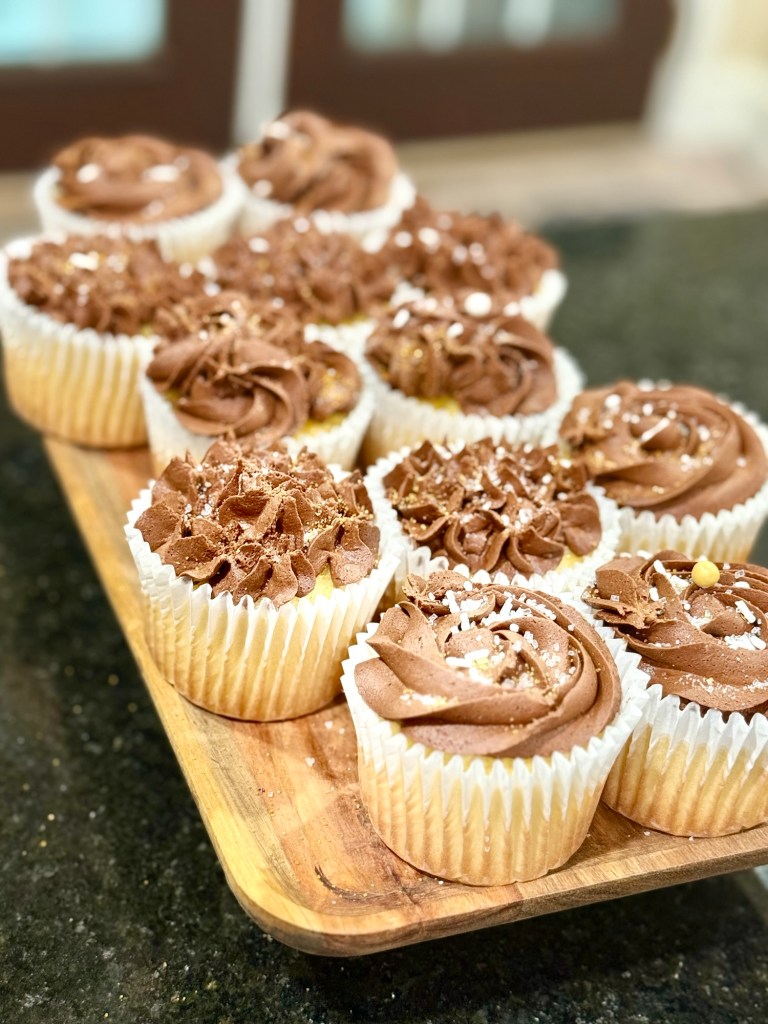
When interactions were limited during 2020 due to COVID restrictions, I started teaching myself to decorate cakes and cupcakes to pass the time. Now, I’m no Cupcake Wars champion, but in the eyes of my grandchildren, I’m a winner. One of them is just like me. We focus on the sweetness of the frosting. I always seek out the corner piece of cake at potlucks or celebrations. I even had a dear friend who would send me her leftover frosting because she knows I do love hers! If she reads this, she’ll know I’m talking about her, and I want her to know I never forgot those yummy gestures!

This past school year, I baked countless batches of cupcakes, brownies, and cookies to share with the school I provided direct support. Of course, each batch had a theme. Because, really, a theme makes most anything better. It was my way of letting the teachers/staff know I appreciated their efforts at turning their school around.

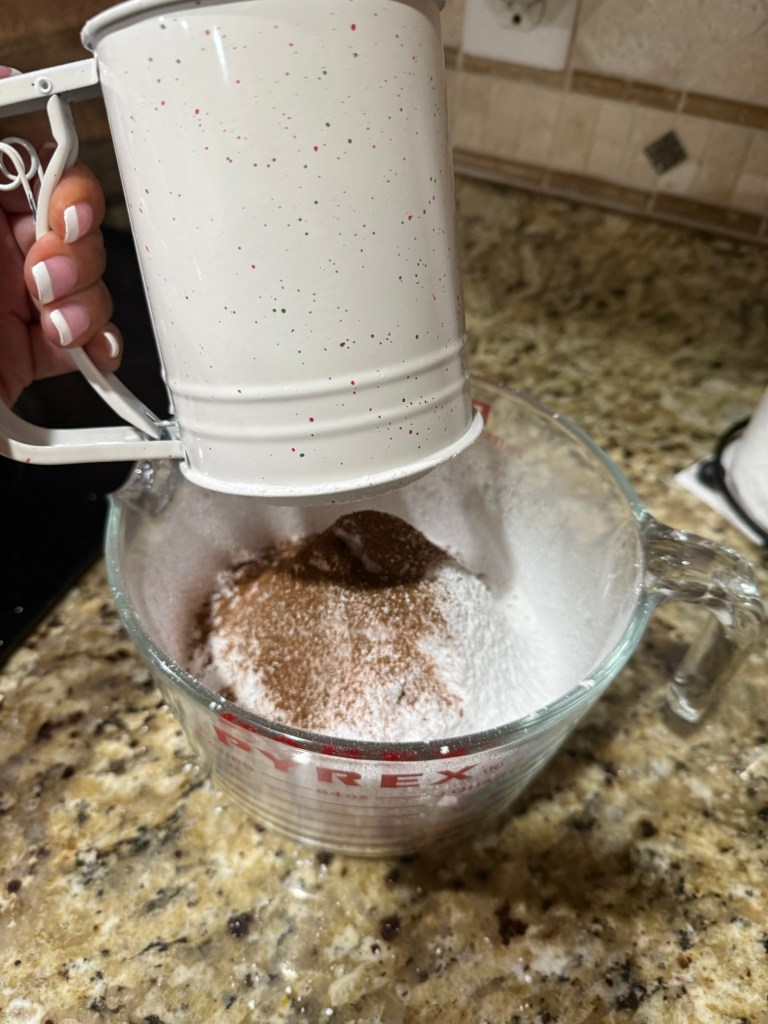
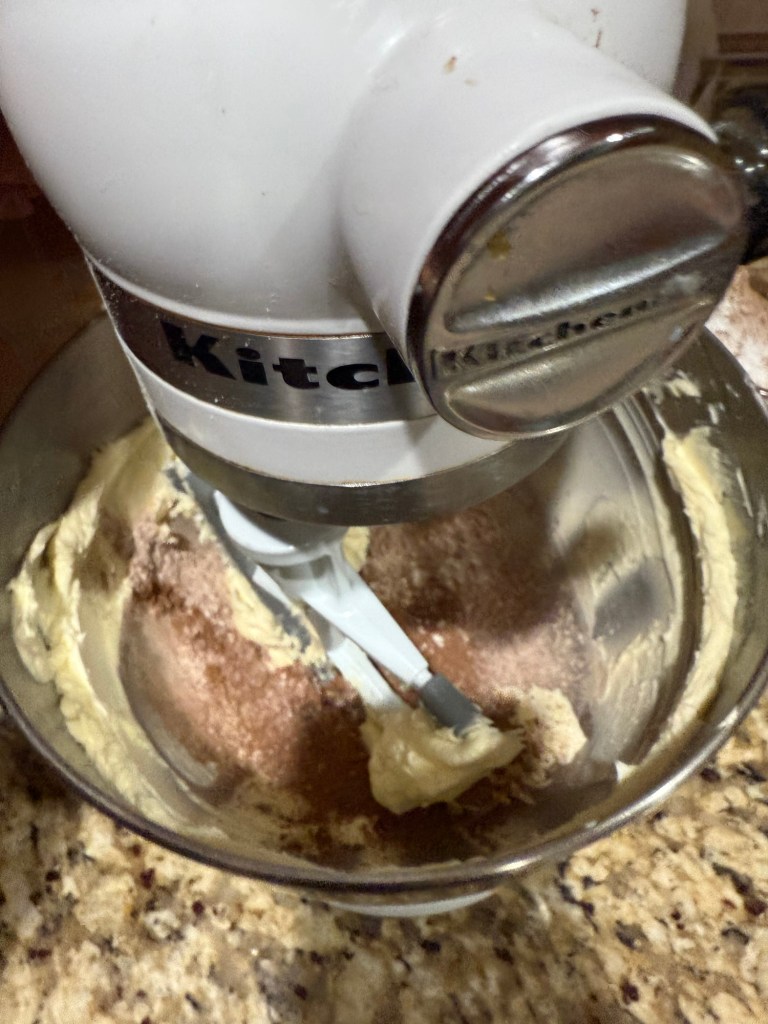
But the other morning, I baked a batch for no reason other than for my grands who love chocolate cupcakes. While sifting the ingredients, I started thinking about how each one matters. Too much oil and you’ve got a greasy mess. Too much salt and you’re reaching for a firehose to hydrate. The right balance of ingredients is what makes them work.

Naturally that reflection carried me back to schools I have been visiting late-Lee. Recently, I walked into one that broke my heart. The classrooms lacked decor, worksheets topped the desks, and anchor charts were missing. I watched a teacher “instruct” by reading a passage, telling students what to highlight, and speaking in a tone that felt more like a performance than teaching. The students were polite and compliant, but they weren’t learning. Even the administrators told us, “The classes are boring.” And they were right.

I often write about the hum of a classroom. A room filled with students deeply engaged has a sound all its own consisting of a steady hum of curiosity and discovery. But these rooms weren’t humming. They were numbing! They had teachers, students, and lessons, but things weren’t quite mixed! The classes lacked the binders and leavening ingredients to ensure students were engaged in highly aligned quality lessons.

Room after room, we saw low-level resources, misaligned instruction, and teachers telling rather than showing. A teacher said, “You already learned that,” when she asked the students a question but not one student knew the answer. My thought? You may think you taught it, but it means nothing if they didn’t learn it.

The school’s climate was strong. Students were respectful and eager. The ingredients were there, but the recipe wasn’t working.

This isn’t unique to one school. It happens across this country. Leaders can’t just assume the right ingredients are in place. They must expect and inspect them. A simple first step? Visit classrooms often. In just five minutes, you can see if a learning goal is posted, aligned to the standard, and supported by an activity at the right level of rigor. The rest is just frosting.

Struggling schools often blame students, but I’ve baked enough cupcakes to know we can’t do that. When a batch flops, I don’t scold the cupcake. I check my ingredients, my process, and how I monitored them. Sometimes I’m messy, sometimes sprinkles scatter, but I don’t stop trying. I refine my practice so the outcomes come out right consistently. The work of improving schools doesn’t follow a straight path. It’s some of the messiest work you can be a part of, but when change happens and you can see it benefitting the students, it is the most beautiful work you will ever experience. So check the recipe you follow for your school, refine the process, and stir until it comes out right. That’s how we serve up learning sweet enough to make anyone smile.

Lights in the Darkness

One morning at 5:15 a.m., I was already heading to a school when I found myself behind a bus. Its red lights were glowing against the dark road. They illuminated the promise of a grand day! I imagined students on the inside were likely tucked into hoodies, trying to grab a few more minutes of sleep before the day began. But the driver pressed on eyes forward, carrying lives, not just passengers.

That glow in the darkness reminded me that bus drivers do more than drive. They’re often the first light students see each morning. They set the tone for the day by sharing warm greetings, providing a safe space, and creating the calm steadiness that helps students arrive ready to learn.

We rightfully focus on their driving skills because safety is critical. But as leaders, are we also building their capacity for connection? A bus isn’t just a source of transportation. It’s the opening chapter of the school day, and its driver helps write the story’s tone.

Strategies drivers can try:

  • Greet students by name – “Good morning, Rhonda” makes the bus feel more welcoming.
  • Set clear, consistent expectations. Routines create order and reduce stress.
  • Use positive cues. Smiles, nods, and calm tones shape the bus culture more than raised voices.
  • Create small connections. Asking about a student’s game or congratulating them on good news shows care.
  • End with encouragement. A quick “Have a great day” sends students into school on a positive note.

Leadership moves that build capacity:

  • Ride-alongs – Experience the morning bus yourself. It shows respect and gives insight into the challenges drivers face.
  • Include drivers in PD – Offer training on student management, de-escalation, or building positive relationships, not just safety protocols.
  • Feedback loops – Create a space where drivers can share concerns and ideas with school leaders.
  • Recognition – Celebrate drivers publicly with shout-outs in meetings, spotlights in newsletters, or breakfast appreciation events.
  • Community-building – Invite drivers to staff gatherings so they feel like they are part of the school family, not separate from it.

When leaders invest in bus drivers’ capacity, we invest in students’ first and last moments of the school day. And those moments matter more than we often realize.

When My Heart Makes Me Love You

Late-Lee I’ve been thinking about human connections! I know some beautiful humans who have within them an enormous amount of kindness! It is seen in the light of their eyes, the tone of their words, and in the way they can make simple moments feel like magic! 

The other night, I had dinner with my grandson, one of my most favorite humans. When our waitress walked away, he leaned over and said, “Nonny, I love that girl.”

I asked him, “What makes you love her?”

Without hesitation, he replied, “My heart does… my heart makes me love her.”

Intrigued, I pressed slightly more, “Did she do something that makes you love her?”

He thought briefly, then said, “She talked to me. When people talk to me, I love them.” That was it. So simple. But in that moment, he felt seen.

What I’m sharing isn’t new. Numerous studies with great certainty identify relationships with students as having high effect sizes on their success. But through the eyes of a child, we see what that research really means. Connection isn’t abstract. It’s a heartbeat, a warm smile, a friendly wink, a small moment of being noticed.

A student once told me, “You make my heart wiggle.” In her own way, she was describing love. She felt a connection.

And isn’t that what all of us want? To feel seen and to know that our presence matters to someone.

But here’s the thing: in education that love doesn’t stop with words. It’s in the lessons we design for our students. It’s in the way we recognize that we only have them for a short period, and the love and knowledge we pour into them becomes part of their preparation for their future. Every thoughtful plan, every intentional learning experience, every moment of care adds another layer to their readiness for what lies ahead.

As leaders and educators, we can’t choose between connection and instruction. Students need both. The best lessons are rooted in care, and the deepest care shows up in the lessons we create and the interactions we have with them. When connection and content meet, that’s when learning sticks.

So what can we do today to make students truly feel seen?

  1. Be intentional with daily interactions. Greet students by name, make eye contact, and take moments to connect outside of instruction.
  2. Design learning that reflects students. Build lessons that connect to their interests, backgrounds, and voices so they see themselves in the work.
  3. Close the loop on feedback. Notice their effort, respond to their growth, and show them that their progress matters to you.

Sometimes, the most powerful thing we can do for students is not just to teach them. We need to let them know, without a doubt, “I see you.”

The Loose End of Leadership

Late-Lee, I’ve been thinking about my mom. It’s September. Not only does it mark her birthday on 9/19, but it also marks the very last day I spoke to her in 2013. I’m always a little more emotional during this time, and so many memories of her and our times together flood my thoughts.

One of those memories is watching her sitting in her chair crocheting beautiful afghans, scarves, and other things. Once, I picked up one of her balls of yarn while talking to her. It slipped out of my hands, rolled across the room, and began to unravel. She looked at me and said, “Rhonda Marie, how will you fix that?”

The thing about a ball of yarn is that it only looks simple from the outside. Once it unravels, you see how easily it can tangle. Leadership often feels the same way. From the outside, people see the neatness. They see the smile and the confidence, but they don’t know how much effort it takes to keep it wrapped together.

I’ve been reading posts lately from leaders who are already questioning if they made the right choice to step into this work. They face angry parents, struggling classrooms, high expectations, and low resources. They’re asking if it’s worth it. I can feel their unraveling in their words, and it takes me back to many days when I felt the same.

I remember crying quietly in my bathroom at work after making a decision that left some people angry or hurt. I remember losing sleep night after night as my mind replayed conversations and weighed consequences. I wondered if I had chosen the harder right or the wrong one. I remember the deep pain in the pit of my stomach as I walked into school, knowing I was about to face something that would test every ounce of strength I had. I even remember telling my superintendent once that maybe I wasn’t the right person for the job.

I carried bruises. Literal ones from the times I was hit, kicked, or bitten by students struggling with emotions too big for them to handle. The bruises on my skin eventually faded, but their reminders filled my mind with questions, doubts, and the enormous weight of wondering whether I was enough.

Those were the times when the yarn felt dangerously close to unraveling. I was convinced that if the loose end got tugged, I’d never be able to wrap myself back up again. I still feel that way.

But here’s what I’ve learned: unraveling doesn’t always mean failure. Sometimes it’s part of the work of leading. Sometimes it allows us to re-weave ourselves into something more substantial, wiser, and compassionate.

If you’re a leader who feels that same knot in your stomach, who sees the bruises (both visible and hidden) as proof of the battles you’re fighting, know this—you’re not alone. Leadership doesn’t mean keeping the yarn perfectly wound. It means learning to breathe even when it unravels, and trusting that with time and care, you can knit it back together into something new.

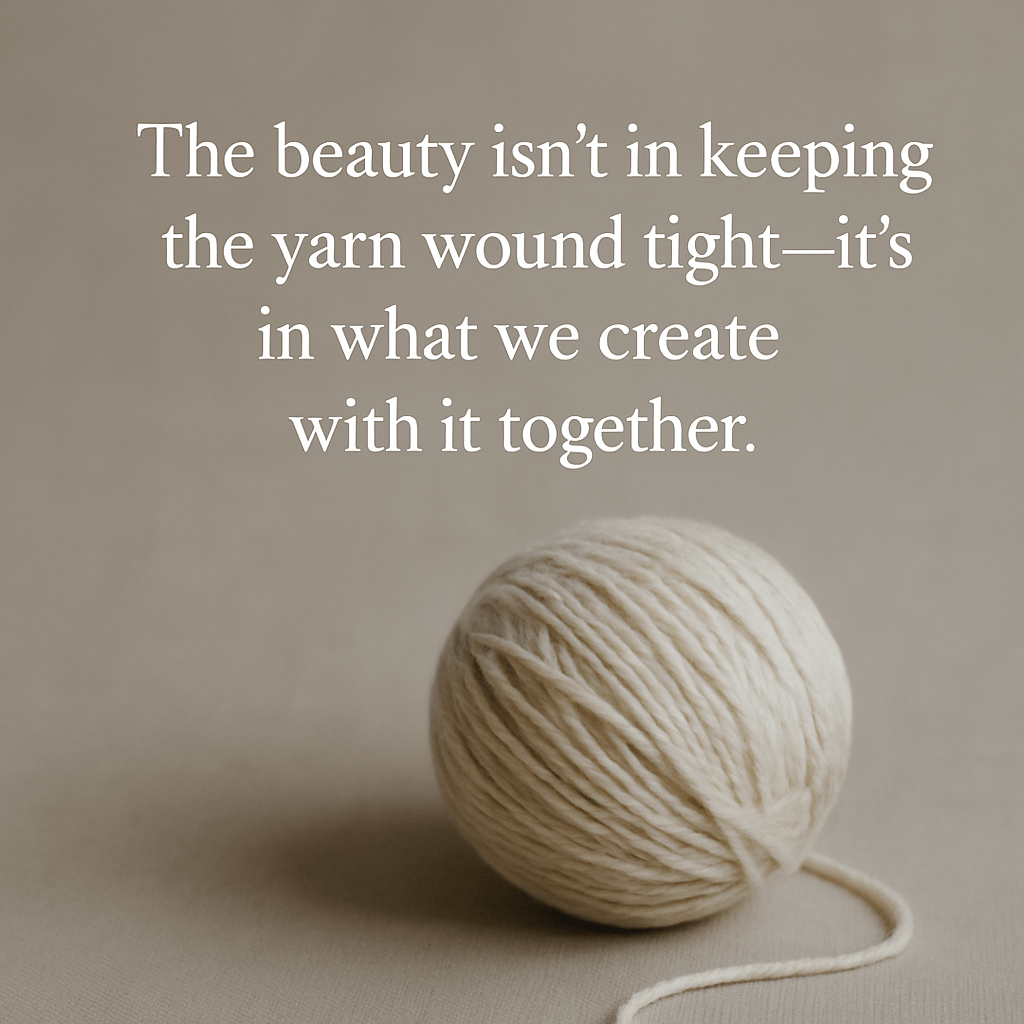
Even though it’s been since 2013, I can still hear my mom’s voice: “Rhonda Marie, now how are you going to fix that?” If she were here now, I think I’d tell her, “I’m not sure I can fix it, but I can roll it back up differently. It’s the same yarn and can still be used to create something beautiful.” Because the beauty isn’t in keeping the yarn wound tight. It’s in what we create together with it that matters.

Start at the Bottom: Leadership Lessons from a Crooked Shirt

Late-Lee, I’ve been getting “schooled” by my husband—again. This time it wasn’t about how I load the dishwasher or whether towels should be folded in thirds or halves. No, this time it was about buttoning a shirt.

He starts at the bottom and works his way up. I, naturally, start at the top and work my way down. I mean there are more than two ways to skin a cat, right? But more times than I’d like to admit, I get to the bottom and realize I’ve got one button left with no hole to put it in. Every. Single. Time. Then I have to unbutton the whole thing and start over.

Standing there, staring at my crooked shirt, I had a thought: This is exactly what happens when leaders try to lead from the top down without making sure things are aligned.

In schools, we do this more than we realize. We roll out big initiatives, focus on frameworks, timelines, and catchy acronyms. We start at the top. And it sounds solid—until we get to the people closest to the work and realize something doesn’t fit.

It looks good on paper, but it’s misaligned in practice. Just like my shirt, the whole thing ends up a little off. And that’s when we’re faced with a choice: fix it, or pretend not to notice and keep going crooked.

Start from the Bottom

Strong leadership doesn’t start at the top. It starts with the folks closest to the work.

It’s the teacher managing 27 different needs and a pacing guide. Or, the para keeping small group instruction on track. It’s even the cafeteria manager who knows who skipped breakfast. And let’s not forget the coach noticing both instructional gaps and emotional ones.

When we begin by listening—really listening—we build plans that make sense and hold up under pressure.

Check for Alignment

Before you launch something new, take a minute to ask yourself…

Have I talked to the people doing the work? What are they seeing and experiencing? Does this plan make sense at every level—student, teacher, leader, and family? Are we addressing the root cause, or just reacting to a symptom? Have I made space for feedback—and am I actually listening? If I were in the classroom or hallway, would this feel doable?

Sometimes the smartest thing a leader can do is pause and look down—not out of defeat, but to make sure everything lines up. Starting from the bottom might take a little longer, but it saves you from having to redo it all later.

And let’s be honest—nobody has time for that.