

When I taught third grade, spring in our classroom meant plants and butterflies. We pressed beans into cups of soil lined up on the windowsill. Every morning, someone rushed in, eager to spot a hint of green—proof they could point to and say, “See! It’s growing.”
I would kneel beside them and explain what wasn’t yet visible. Roots reached into the soil first, drawing water and nutrients, sending nourishment upward before any leaves appeared. Sunshine and water played their parts, but all depended on the roots anchoring. Growth always begins beneath the surface.
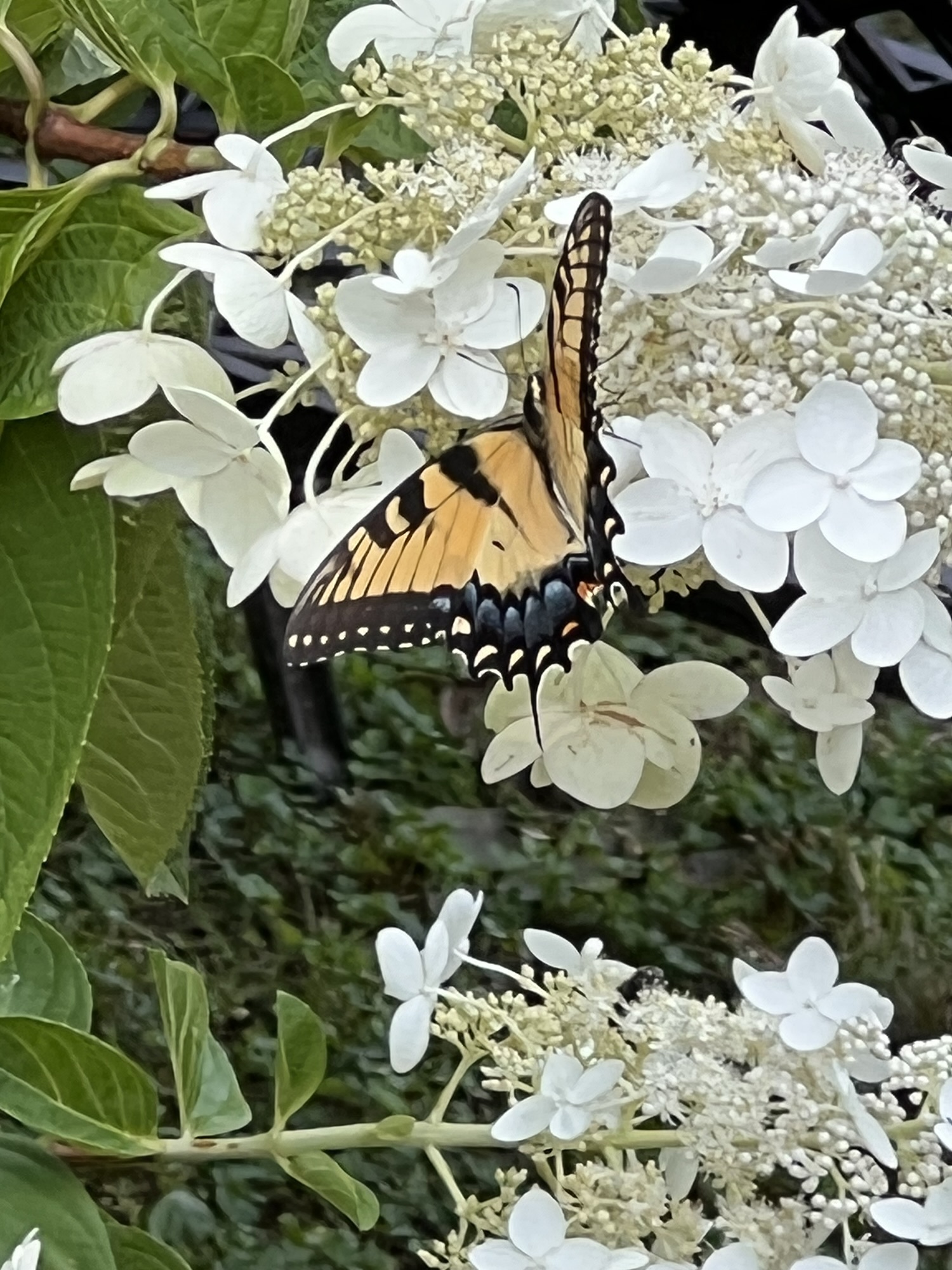
Later, the caterpillars would arrive. We would watch them inch along the sides of their container, climb to the top, and suspend themselves in stillness. They wrapped themselves tight and disappeared into cocoons. The waiting was always the hardest part. Every day, someone would lean in close and ask if it was time yet. And then one year, while I was in the middle of teaching and trying to keep everyone focused, out of the corner of my eye, I saw something flutter. For a split second, it didn’t register with me what I was seeing.
Suddenly, the room erupted. Chairs scraped as students pointed to the ceiling, where a butterfly made uncertain loops above us. It had emerged while we were busy. Transformation didn’t wait for an announcement; it simply happened.
Late-Lee, as I visit schools for classroom observations, memories of growing seeds and witnessing metamorphosis shape my perspective on this time of year. Many schools are deep into end-of-year diagnostics, analyzing data, and seeking confirmation that their strategic efforts are bearing fruit. In these moments, pressure builds as teams examine gaps, forecast test performance, and hope that what was planted in August has taken hold.
Spring taught me this: roots do not grow faster if we worry, and butterflies do not emerge just because we watch. Diagnostics reveal evidence of growth beneath the surface. They are tools, not verdicts. Use them to understand where roots are strong, where more support is needed, and which standards or students need extra focus before assessments.
Unlike the flower beds I attempt yearly, spring isn’t about starting over but tending what’s already growing. Some students bud beautifully; others push through the dirt or wait, cocooned, doing quiet work that can’t be rushed.
And today, as we celebrate Easter, I’m reminded of another kind of transformation.
The resurrection didn’t happen in front of a crowd. It happened in the quiet. In a sealed tomb. In a place where, for a moment, it looked like everything had ended.
But beneath what could be seen, something was unfolding.
Life was preparing to rise.
Leadership in April means using data with patience and precision. Adjust, support, and stay steady. If the plan focused on core issues and was followed and adapted throughout the year, growth is already underway. Do not rush the bloom, but do protect the process and let transformation unfold naturally.
Diagnostics are not the story’s end, but a chance to glimpse deep, ongoing growth. They remind us that transformation begins before it is visible. While you teach, coach, encourage, and correct, know that wings are forming even when you cannot see them yet.
The bloom will come. Your job right now is to consistently tend to growth by monitoring data, providing support, and protecting the process.
Coaching Reflection Questions
- When you review your most recent diagnostic data, where do you see evidence that roots are taking hold, even if the bloom is not fully visible yet?
- What is one focused adjustment you can make in the next three weeks that would provide more sunlight to the students or standards that are still emerging?



Leave a Reply