
 by
by 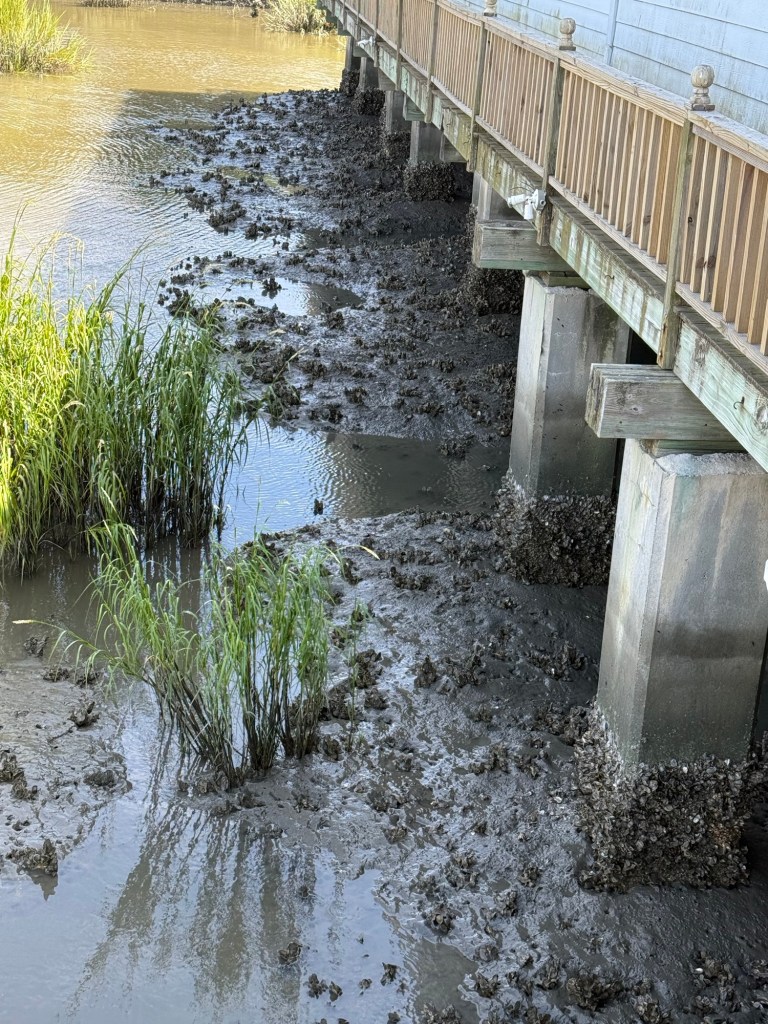
Fall on the coast carries its own kind of rhythm. The morning air wants to tease its fall but the days heat back up like summer. It doesn’t stop the evenings from ending with a fire glowing under a sheet of iron and oysters steaming in the shell. Friends and family gather round with gloves, knives, and laughter. At an oyster roast, it’s never just about the oysters. It’s about the firelight, the stories, and the fellowship that fills the night.
But before oysters ever reach the table, they’ve been at work. Each oyster spends its days filtering the water quietly, steadily, and without applause. They aren’t beautiful on the outside, but if you are lucky, you might find a pearl created by pressure and sand. One single oyster can filter as much as fifty gallons of water in a day. Multiply that by a reef, and you have a living system that keeps a bay clear, healthy, and full of life. Without them, the water clouds. With them, it thrives.
School leaders should be the oysters of our schools. They should act as filters. They should filter out the flood of initiatives, emails, disruptions, and frustrations that cloud the work. They should clarify the vision so teachers can see their way forward. They need to create an environment that allows students to flourish in the light. Without that filtering, schools can feel murky, heavy, and hard to navigate, but with it, everything is more transparent, calmer, and stronger.
Leaders are called to cultivate warmth and fellowship while creating a space where people feel connected and supported. Around the fire, trust and relationships grow. When nurtured, a school community strengthens. Filtering by the leaders keeps the water clear, but fellowship keeps the people going.
A school without leaders who filter is like a bay or river without oysters- clouded and struggling. But when leaders filter with wisdom and lead with fellowship, schools don’t just function. They flourish.
Reflection:
- What’s clouding the work right now for your teachers or students?
- How do you protect instructional time and teacher energy from distractions?
- How do you know when the water is getting cloudy? What data or behaviors signal that to you?
 Rhonda "Late" Lee
Leave a comment