
 by
by What Students Bring to School
My Why
If you have been reading any of my stories, you may have come to realize by now that they all stem from a place of experience and/or inspiration. This story is, by far, the most challenging one I have written. By sharing this, I’m revealing one of the darkest times of my life as well as opening old wounds and doors I have tried to keep locked. I didn’t experience this alone. My siblings also have their own memories of the events during this time, but this story is shaped from mine. If it can help one child sitting in one of our schools get help from their teacher or a school leader, then it has served its purpose. For that, I will be grateful!
September and October are always tough months for me as I miss my mom greatly. One was her birthday month, while the other was the month she left this earth. So late-Lee, I’ve been thinking about her life… my life. I think about others who may share similar experiences, since October recognizes Domestic Violence Awareness Month.
The Past
When I was in fifth grade, life at home underwent changes that no child should ever experience. After my parents divorced, my mom remarried, and what followed was years of violence that would shape the way I see myself and children forever.
For more than three years, the nights brought fear and chaos. I dreaded the way darkness from night would wrap around me like a weighted blanket. It wasn’t comfort that came with it. It was a pure fear of wondering which scene from the horror story would unfold next. I would lie awake hating the darkness. Even now in the quiet of the night, I can still hear my mom’s screams as she hit the wall, floor, or furniture when the monster pushed and shoved her. The sounds of his fists hitting against a wall or her pleading for the beast to stop echo in my nightmares. I would pull the covers up and try to block out the sounds, but it didn’t work. One night, (as I talked to her), he punched the refrigerator door so hard that it split her face open upon impact. The details changed, but the fear was constant.
For years, I carried that trauma with me to school every single day. I went to class exhausted, eyes red from crying, and my body heavy with dread. My homework was undone. My reading was unfinished. I’m sure my teachers saw a student who wasn’t prepared, but the truth was, I had already survived more before the morning bell than most of my teachers could imagine.
Once, in a desperate attempt to be noticed, I hurt myself quietly, hoping someone at school would ask why. No one did. I realized I was invisible. I learned to survive on my own.
Why This Matters for Schools
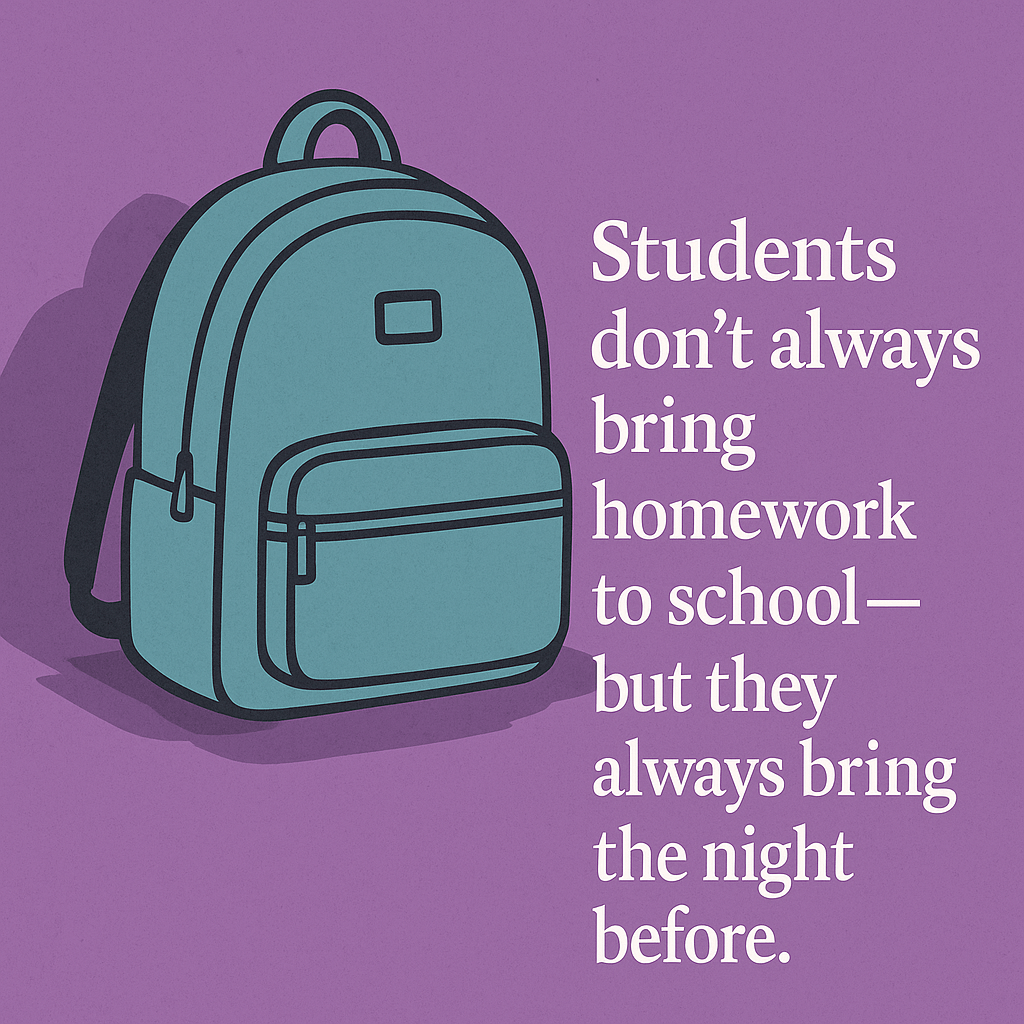
The research shows that children who experience domestic violence can experience feelings of terror, isolation, guilt, and helplessness. I can attest to this firsthand. I share my story not to shock you or to receive sympathy, but to remind every educator and leader that when some children walk into your school, they are carrying more than just books in their backpack. Like I did, they have their nights, their fears, their hunger, their heartbreak, and so much more I could list packed in it too. If we only measure students by the work they complete or the behavior they display, we risk missing what they most need: to be seen, to be safe, to be believed.
What Educators Can Do
You cannot change what happens in every home, but you can make school a place of safety and connection. Here are the steps that matter:
- Notice beyond the assignment. Incomplete work may tell you more about a child’s life than their effort.
- Create quiet check-in systems. A simple card or nonverbal signal gives students a way to ask for help without embarrassment.
- Train staff in trauma-informed practices. Small responses, calm tone, private conversation, and quick referrals can change a student’s day.
- Build adult anchors. Ensure that each grade level has a designated safe adult who checks in with identified students daily.
- Use process data. Look at patterns of fatigue, frequent nurse visits, or sudden changes in engagement as signals, not problems.
- Provide clear referral pathways. Teachers should know precisely how to connect students with counselors, social workers, and community support services.
Closing Reflection
I believe that when people see me, they see the smile I offer, the work I do, and the family I have, and I’m willing to bet money on this… they would never think I (or my siblings) experienced anything like what I’ve just shared. I was a child who longed to be seen. The scars I bear from those years remain. They remind me to extend more grace and love towards others. The truth is that many of our students sit in your classrooms today, carrying the same invisible weight. You may not see the bruises or hear the screams, but you can choose to notice the signs and choose to respond with compassion.
Let’s not forget compassion doesn’t replace instruction. It makes it possible. When students feel safe, valued, and loved, they are far more able to engage in the rigorous, high-quality learning experiences they deserve. A strong lesson plan matters, but so does the assurance that the teacher delivering it sees the whole child and wants to give them a learning experience that paves the way to a brighter future.
As I wrote recently in When My Heart Makes Me Love You, love and learning are not separate tracks. They are threads that weave together to give students both the skills and the strength to thrive when they are desperately in a place that all they can do is simply survive.
 Rhonda "Late" Lee
Leave a comment