
 by
by 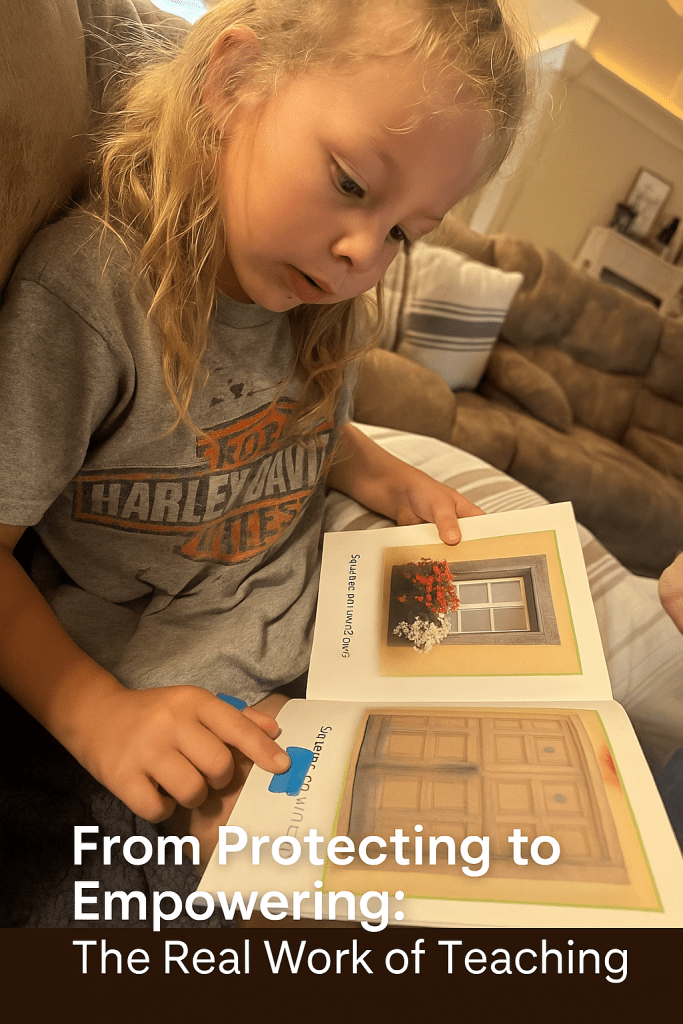
The other day, I was in a classroom when I heard a student with a disability say to the teacher, “Now I know how to read.” The student was so excited and undeniably proud. If hearing something like that doesn’t bring tears to your eyes, my friends, education may not be for you. It might be time to step away.
We shouldn’t enter education because it’s easy. Yes, the calendar can look appealing. Teacher contracts typically run for about 190–200 days, leaving nearly 165 days off throughout the year. On paper, it sounds great. But here’s the reality: some school leaders are so worried about teachers leaving that they avoid asking teachers to do the right work, or they don’t stop to consider what demands they’re making and whether those expectations are supported, resourced, and followed through.
Late-Lee, I’ve been hearing those types of comments from school leaders. The ones that describe not asking more of teachers, or they’ve already got too much on their plates. And it troubles me. Because here’s the truth, we can’t protect teachers from doing the right work. Yes, teaching is hard work. But it’s also heart work. It’s sacred work. Teachers are literally shaping the minds and hearts of children, and should be creating learning experiences that help them grow into thoughtful, capable, beautiful humans.
When I started teaching, I didn’t have the internet, state curriculum resources, or digital lesson planning tools that are available now. I had a paper planner book, and every single lesson had to be written out by hand. My evenings were spent poring over stacks of educational magazines, seeking creative ways to make learning both fun and meaningful and yes, aligned to standards since state assessments are not new. However, most states now provide rich curriculum units and resources that are already aligned to standards. AI technology can generate aligned lessons/tasks in literally seconds. The opportunity is there so we can save teachers valuable time on the planning side if we train them to use these resources well. That time can then be spent where it matters most: internalizing, visualizing, and rehearsing what strong instruction will look like in action.
And every child, no matter where they live, deserves that kind of teaching. A student in a small rural town deserves the same high-quality instruction as a student in a well-resourced urban district. Opportunity should never depend on geography.
So how do leaders make the shift from protecting teachers from hard work to empowering them to embrace the importance of the right work? It begins with courage and clarity.
Two steps to start:
- Connect the “why” to the wonder. Remind teachers that their effort is not about compliance, but about moments like a child finally reading their first sentence that change a life forever. Anchor the hard work to the joy of watching students grow.
- Support with love and follow-through. Hold high expectations, but walk alongside your teachers with resources, modeling, and coaching to support them. Accountability without compassion feels like pressure. Accountability with support feels like belief.
Leaders, I challenge you to walk into classrooms. Ask students what they aspire to become. Ask them what brings them joy. Look into their eyes and remember: you’re not just leading teachers, you’re shaping futures. Then ask yourself: Would you ever want a leader to settle for anything less than the very best for the children you love?
 Rhonda "Late" Lee
Leave a comment