
 by
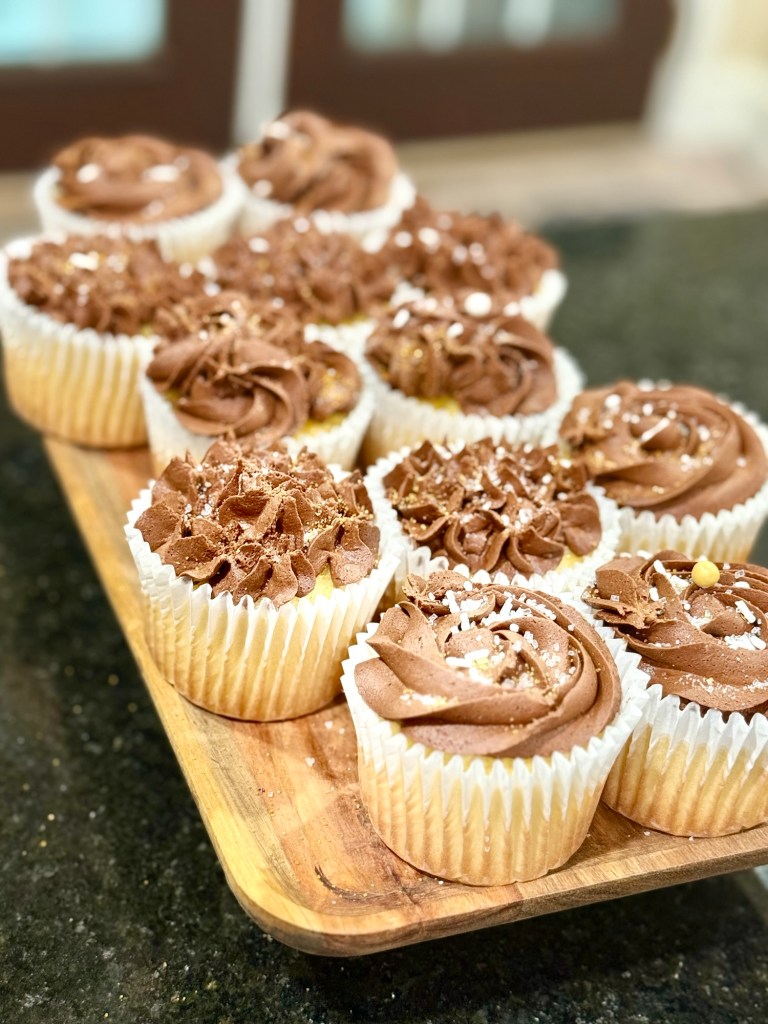
by When interactions were limited during 2020 due to COVID restrictions, I started teaching myself to decorate cakes and cupcakes to pass the time. Now, I’m no Cupcake Wars champion, but in the eyes of my grandchildren, I’m a winner. One of them is just like me. We focus on the sweetness of the frosting. I always seek out the corner piece of cake at potlucks or celebrations. I even had a dear friend who would send me her leftover frosting because she knows I do love hers! If she reads this, she’ll know I’m talking about her, and I want her to know I never forgot those yummy gestures!
This past school year, I baked countless batches of cupcakes, brownies, and cookies to share with the school I provided direct support. Of course, each batch had a theme. Because, really, a theme makes most anything better. It was my way of letting the teachers/staff know I appreciated their efforts at turning their school around.
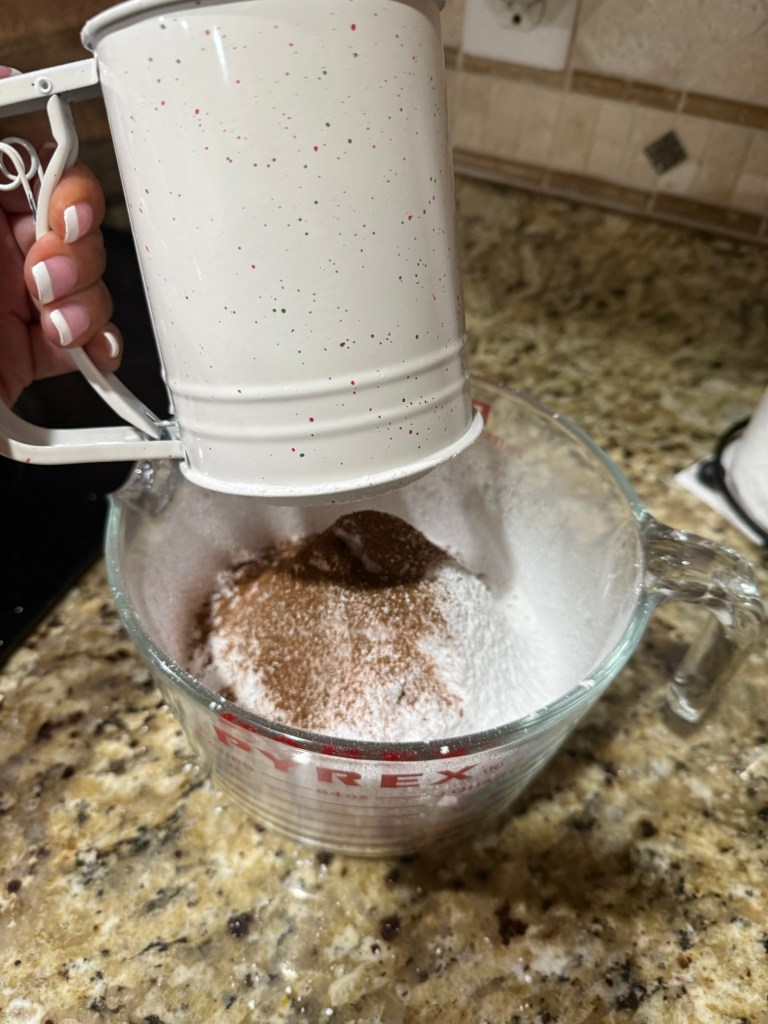
But the other morning, I baked a batch for no reason other than for my grands who love chocolate cupcakes. While sifting the ingredients, I started thinking about how each one matters. Too much oil and you’ve got a greasy mess. Too much salt and you’re reaching for a firehose to hydrate. The right balance of ingredients is what makes them work.
Naturally that reflection carried me back to schools I have been visiting late-Lee. Recently, I walked into one that broke my heart. The classrooms lacked decor, worksheets topped the desks, and anchor charts were missing. I watched a teacher “instruct” by reading a passage, telling students what to highlight, and speaking in a tone that felt more like a performance than teaching. The students were polite and compliant, but they weren’t learning. Even the administrators told us, “The classes are boring.” And they were right.
I often write about the hum of a classroom. A room filled with students deeply engaged has a sound all its own consisting of a steady hum of curiosity and discovery. But these rooms weren’t humming. They were numbing! They had teachers, students, and lessons, but things weren’t quite mixed! The classes lacked the binders and leavening ingredients to ensure students were engaged in highly aligned quality lessons.
Room after room, we saw low-level resources, misaligned instruction, and teachers telling rather than showing. A teacher said, “You already learned that,” when she asked the students a question but not one student knew the answer. My thought? You may think you taught it, but it means nothing if they didn’t learn it.
The school’s climate was strong. Students were respectful and eager. The ingredients were there, but the recipe wasn’t working.
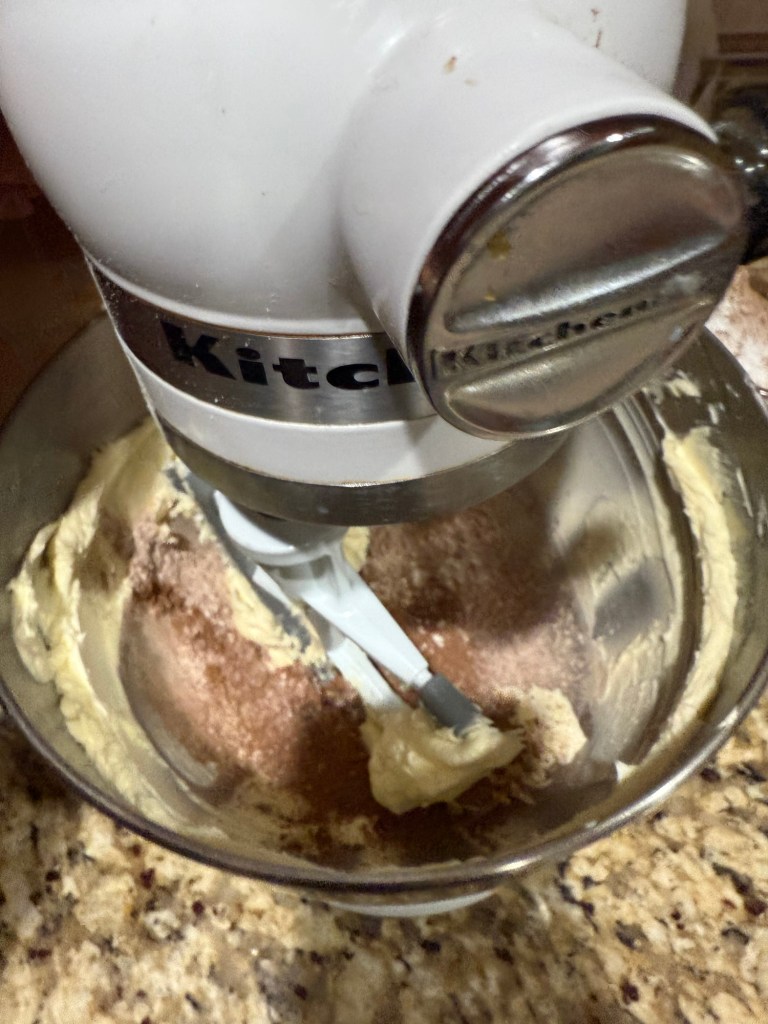
This isn’t unique to one school. It happens across this country. Leaders can’t just assume the right ingredients are in place. They must expect and inspect them. A simple first step? Visit classrooms often. In just five minutes, you can see if a learning goal is posted, aligned to the standard, and supported by an activity at the right level of rigor. The rest is just frosting.
Struggling schools often blame students, but I’ve baked enough cupcakes to know we can’t do that. When a batch flops, I don’t scold the cupcake. I check my ingredients, my process, and how I monitored them. Sometimes I’m messy, sometimes sprinkles scatter, but I don’t stop trying. I refine my practice so the outcomes come out right consistently. The work of improving schools doesn’t follow a straight path. It’s some of the messiest work you can be a part of, but when change happens and you can see it benefitting the students, it is the most beautiful work you will ever experience. So check the recipe you follow for your school, refine the process, and stir until it comes out right. That’s how we serve up learning sweet enough to make anyone smile.
 Rhonda "Late" Lee
Leave a comment