
 by
by 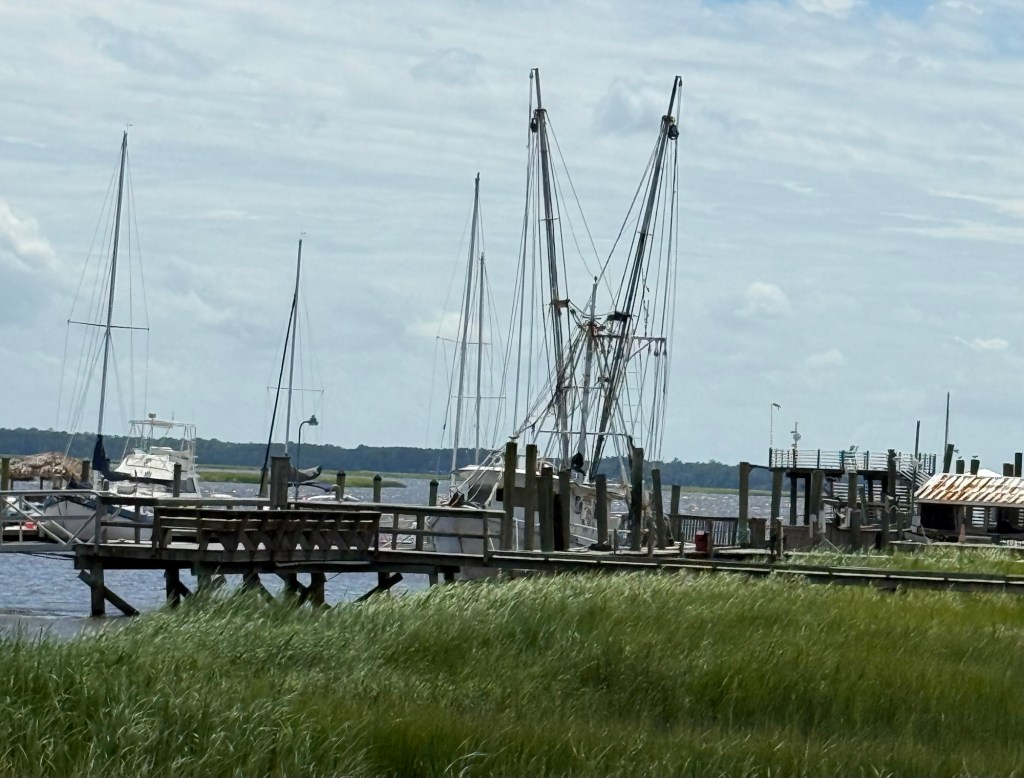
I’ve been thinking about shrimp boats, late-Lee. I’m always impressed by the magnificence of a shrimp boat. It’s not that it’s full of glitz and glam. In fact, it’s more the grit and grime that draws me in. I like the ruggedness of it…the sturdiness of it. I like its imperfections, etched in the architecture of it by the history of its travels. Many of these boats are named after women, a tradition that honors legacy and luck. If I were to name one, I would call it Miss Late-Lee. Wink wink! 😊
Every voyage has the captain and crew hoping for a bountiful shrimp catch. Some days the drag of the nets are heavy, and some days they appear empty. Each catch (or lack of) guides the next decision.
Like shrimpers, our school crews can’t simply press on without adjusting course from time to time. A crew’s success depends on constant monitoring and awareness along with the willingness to adapt. The same is true of our school teams. In response to various conditions, the school’s nets may need to be raised or lowered. They may need to press into the wind facing it head on or shift direction.
Often the study and creation of school improvement plans is seen as an event that gets checked off as complete. Then these plans are forgotten about until the next year. That behavior is compliance focused. Strategic plans may need to be refined. The goals set in May/June don’t always hold once baseline student data starts rolling in. Leaders may have to shift priorities, redirect resources, or reset timelines so the plan matches the current waters.
Instructional practices may need to be modified. Teachers don’t abandon the work, but they may use data to inform the instructional course they originally charted. They widen the net by making adjustments such as how they are reteaching, regrouping, or changing approaches to ensure students catch on.
Student behaviors may need to be addressed. Like storms at sea, behaviors can throw a course off quickly if they aren’t acknowledged. Tackling them directly creates the calm seas necessary for learning to stay on track.
Monitoring has to stay constant. Shrimpers watch the tides, winds, and catch size to know when to stay and move. In schools, leaders should monitor focus areas, review data, and check lesson plans, and review student work.
Like the captains and crew of shrimp boats, school leaders and teachers can’t just depend on the excitement of a new year to carry them through. Grit matters more than you think. Just as shrimp captains lean on experience and memory to navigate tricky waters, school leaders need to rely not only on data but also on their deep understanding of their school culture and environment. How are our leaders supporting crews when change fatigue kicks in? Student behaviors escalate? Or when having to adjust the plan when the nets come up light? One way is to communicate with and involve the teachers. In most cases, they just want to understand the why.
We can’t just sit still when the nets come up light. And when the waters get rough or the catch feels thin, that’s when we anchor up, reset our course, and keep moving forward. Because when we do, the catch of success will come.
As leaders, how would you respond to the following questions?
- What does the data reveal about possible refinements we need to make to our current plan so we may stay on course?
- How are instructional practices being modified so students are truly catching on?
- What systems are in place to monitor progress and ensure we don’t lose sight of what matters most — our students?
As you reflect on these questions, think about your processes. If you don’t have a solid response backed by evidence of practice, you may need to develop a plan.
If I ever did name a shrimp boat Miss Late-Lee, I’d want her to be known for the way she stayed on course, adjusted to the waters, and always brought her crew home with purpose. That’s the same kind of leadership our schools deserve. Anchor up…
 Rhonda "Late" Lee
Leave a comment